In a typical HDB BTO living room, the wall-to-wall width averages 3.2 metres — just enough to fit a Scandinavian-style sofa and a coffee table without crowding. Condos, on the other hand, often feature irregular angles and awkward layouts that waste precious square footage; a curved wall might look chic but can render a corner unusable for furniture. For HDB owners, fire safety regulations mandate a 90cm walkway clearance, which means every centimetre counts when planning your layout.
Scandinavian sofas, with their clean lines and compact designs, are a natural fit for HDB flats. A two-seater from Castlery or Commune, around 1.6m wide, leaves ample space for side tables or a slim console. In condos, though, the challenge isn’t just size but shape; a bay window might force you to customise a sofa or sacrifice seating capacity. Rubberwood frames, common in Scandinavian designs, are lightweight and easy to manoeuvre — a practical choice when navigating tight spaces.
Storage beds dominate HDB flats because there’s simply nowhere else to stash luggage, but living rooms often lack built-in solutions. A sofa with hidden storage, like FortyTwo’s modular designs, can double as a linen cabinet — a lifesaver in smaller flats. Condo owners might prioritise aesthetics over function, opting for sculptural pieces like IKEA’s Söderhamn series, but even then, the irregular layouts can make finding the right fit a headache.
Colour palettes matter too. Light oak tones and neutral upholstery, hallmarks of Scandinavian design, help create an illusion of space — crucial in HDB flats where every metre feels accounted for. Condo owners might lean towards muted blues or sage greens to add personality, but the trade-off is often a darker, cosier vibe that can make smaller spaces feel cramped.
Measuring your living room’s width is the first step, but understanding the quirks of your space is just as important. A 3.2m HDB layout might feel restrictive, but it’s predictable; condo buyers, though, often find themselves wrestling with odd corners and wasted space.
Singapore’s humidity doesn’t just frizz hair—it warps untreated pine frames within months. Kiln-dried oak holds up better, its tighter grain resisting the swell-and-shrink cycle that leaves cheaper woods cracked or misshapen. Look for frames with a moisture content below 12%; Scandinavian brands like Bolia and Hay often specify this, while mass-market retailers rarely do.
Crypton fabric solves two uniquely Singaporean problems: kopi spills and cat hair. The stain-resistant finish beads liquids long enough to blot them, while the tight weave prevents claws from snagging threads. Neutral tones—think fog grey or oat—hide fur between vacuuming sessions better than dark upholstery.
Megafurniture’s Nordic collection uses these solutions, pairing kiln-dried oak bases with Crypton-upholstered seats. Their Joo Seng showroom keeps test units under humidity lamps to prove warp resistance—a smart move when 80% of buyers live within 5km of the coast.
Avoid bouclé or linen blends unless you enjoy daily lint-rolling. Performance velvet (polyester-spandex, not cotton) mimics the Scandi look without attracting dust. For legs, powder-coated steel beats raw wood in ground-floor flats where rising damp is inevitable.
The best test? Run a hand along showroom samples after 3pm—if the wood feels sticky or fabric staticky, walk away. Humidity doesn’t negotiate.
Asian body types typically have shorter torsos and legs, making standard 90cm-deep sofas feel oversized. A 70cm depth better supports petite frames, ensuring feet touch the floor comfortably. Scandinavian designs often feature lower backs and shallower seats, which align well with average Asian heights. Look for models with adjustable headrests — they provide tailored support without overwhelming the frame.
Lumbar alignment is crucial for long-term comfort, especially in compact HDB living rooms. Sofas with built-in lumbar support or modular cushions help maintain proper posture. Test seating by sitting upright and leaning back — your lower back shouldn’t feel unsupported. Lightweight Scandinavian designs often include ergonomic features that cater to smaller body types without sacrificing style.
Armrests positioned too high or too low can strain shoulders and elbows. For most Asian users, armrests around 20cm above the seat cushion work best. Scandinavian sofas often feature slim, minimalist armrests that don’t overwhelm the design while maintaining functionality. Always check the proportions — armrests should feel natural when resting your arms.
Firm cushions are better for posture but can feel uncomfortable over long periods. Scandinavian sofas often use medium-firm foam that strikes a balance between support and comfort. Avoid overly soft cushions — they sink too much, making it harder to get up. Modular designs allow you to adjust firmness by rearranging cushions to suit your preference.
Scandinavian sofas designed for smaller spaces often feature narrower frames and shorter lengths. These proportions fit better in HDB flats while maintaining the aesthetic. Look for models with clean lines and minimal bulk — they create a sense of spaciousness without compromising comfort. Compact designs also make it easier to navigate tight living areas.
" width="100%" height="480">Choosing the right Scandinavian sofa size for your HDB flatBefore selecting a Scandinavian sofa, measure your HDB living area carefully. Account for walkways and other furniture to ensure a balanced layout. Leave at least 50cm clearance around the sofa for easy movement. Focus on length and depth to avoid overcrowding.
Ideal for smaller HDB flats, 2-seater Scandinavian sofas offer comfort without dominating the room. Look for slim armrests and raised legs to enhance the sense of space. Neutral fabrics like light grey or beige maintain the airy aesthetic. Perfect for creating cozy conversation areas.
Modular Scandinavian sofas provide flexibility for HDB layouts. You can rearrange sections to fit odd corners or expand seating when needed. Choose low-profile designs to maintain clean sightlines. These adapt well to both compact and spacious living rooms.
In a 12 sqm HDB living room, every centimetre counts — especially when you’re trying to squeeze in a sofa, a coffee table, and still leave enough space to walk to the service yard. Two-seaters with storage chaises are the unsung heroes here, offering both seating and hidden compartments for odds and ends like spare pillows or board games. These modular pieces, often in light oak or ash frames paired with neutral upholstery, fit snugly against walls without overwhelming the room.
Scandinavian brands like IKEA and Castlery often feature modular sofas designed for compact spaces, typically priced between $1,200 and $2,400. Look for models with slim armrests and legs that elevate the frame slightly, creating an illusion of openness. Performance velvet or linen upholstery in muted tones like sage green or soft grey not only complements the Nordic aesthetic but also hides everyday wear better than stark whites.
For those who love hosting, a two-seater with a pull-out ottoman offers flexibility without compromising space. It’s a small detail, but one that makes all the difference when you’re balancing function and form in a 12 sqm room.
L-shaped sofas, while tempting for their lounge-worthy appeal, can quickly turn your living room into an obstacle course. Unless your space exceeds 4m in width, they’ll likely block access to the service yard — a common headache in BTO layouts. Instead, opt for straight-backed designs with detachable chaise lounges; they’re easier to rearrange when you need to vacuum or host a larger group.
One quirk of modular furniture in Singapore’s humid climate? The connectors can loosen over time, especially if you’re constantly rearranging the pieces. A quick fix with wood glue or rubber pads usually does the trick, but it’s worth considering how often you’ll actually move the sofa around.
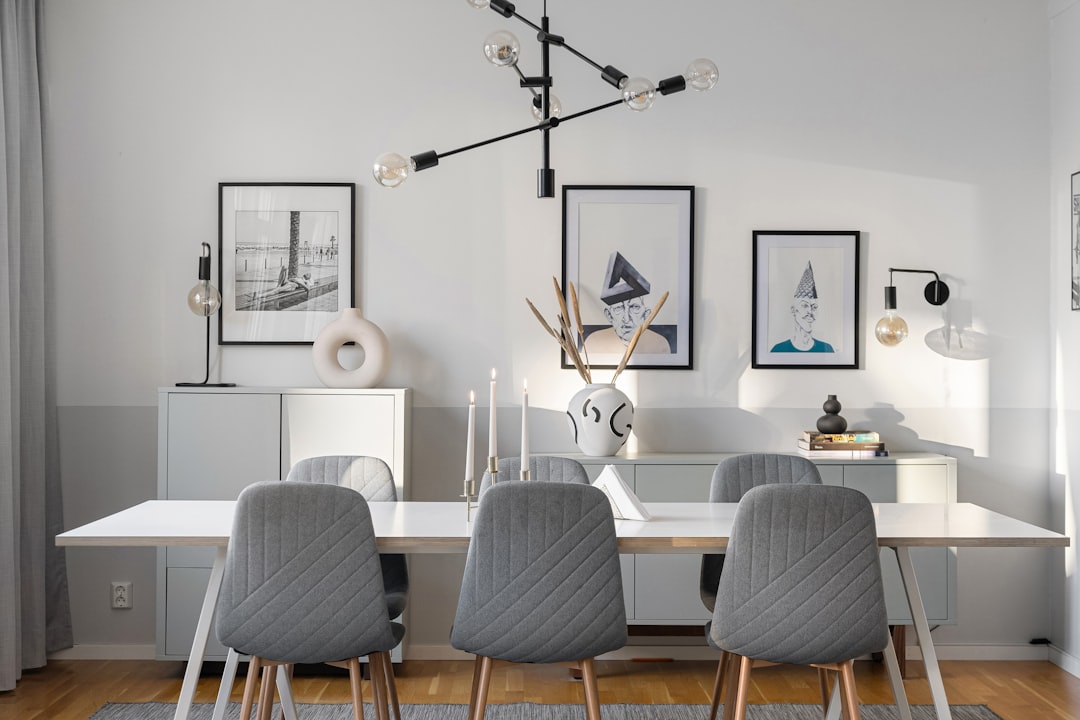
The fine print on humidity exclusions catches out more Singaporeans than any other warranty clause. One Tampines homeowner discovered their $2,800 teak dining table wasn’t covered when the legs warped during last year’s monsoon—the manufacturer’s terms specified “normal indoor conditions” at below 65% relative humidity. Local brands like Megafurniture build in tropical clauses, offering 5-year coverage that includes seasonal swelling; their Scandinavian-style oak pieces use kiln-dried timber with moisture-resistant joins.
European manufacturers often void warranties after 18 months if the furniture shows signs of “improper climate control”—a vague term that’s led to disputes over everything from rattan chair sagging to laminate peeling in Eunos HDB flats. The worst offenders are mid-range Danish-inspired brands that ship pieces in thin vacuum-sealed plastic, leaving them vulnerable to condensation during the three-week ocean transit.
Check whether the warranty covers professional repairs or just replacement. Many Singaporeans assume a “10-year guarantee” means free fixes, only to find the clause requires returning the original item to a European service centre—an impossibility for a 2.4-metre sectional sofa in a Bedok condo. Some local retailers now offer in-home assessments for humidity damage, though you’ll need photographic proof the aircon ran regularly.
The real scam? “Limited lifetime warranties” that transfer only if the original buyer dies. That plush velvet sofa from IKEA Alexandra might seem like a family heirloom until you try claiming the faded upholstery under warranty—only to learn it expired when your aunt sold you the flat.
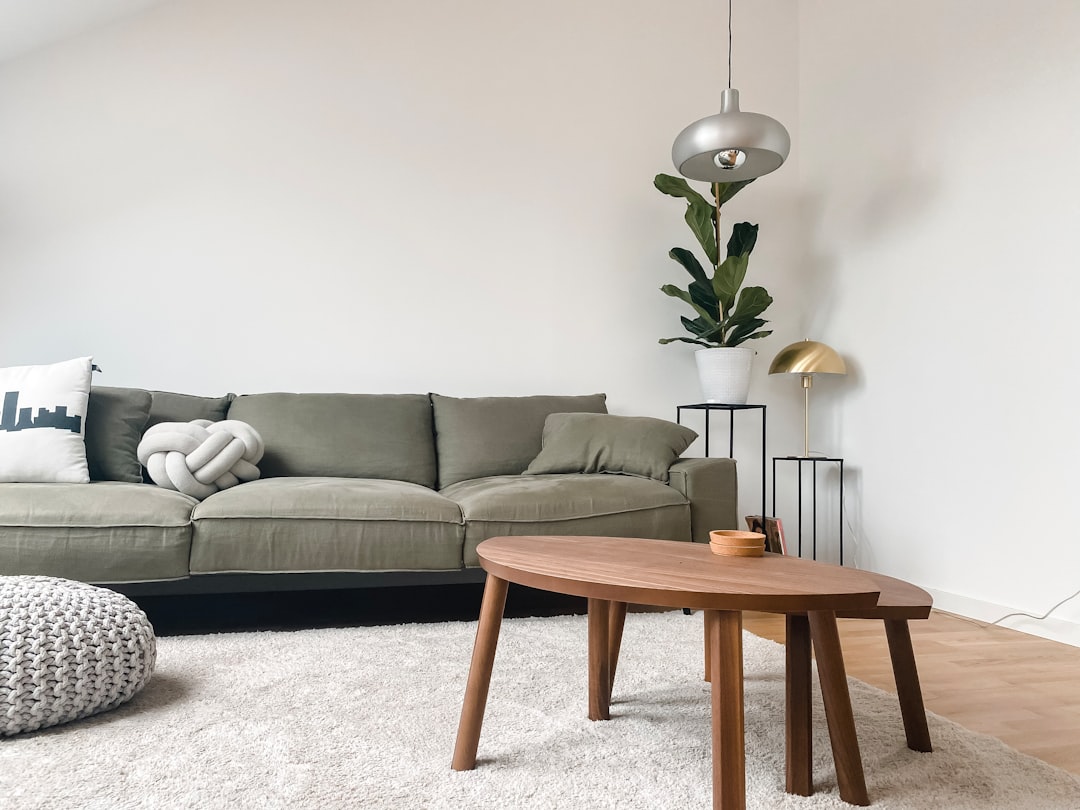
The Megafurniture Joo Seng showroom’s AR app works best when you’ve got your HDB floor plan dimensions handy—their team can pull up your exact living room configuration in seconds, overlaying their Stockholm series sofas against your actual walls. Test the seat depth by sitting upright (most Singaporeans clock 40cm as ideal), then slouching back to check if the lumbar support holds. Their staff keep stopwatches for the 30-second cushion density test—anything that bottoms out before 15 seconds won’t survive daily Netflix binges. Look for foam cores wrapped in combed cotton rather than polyester batting—the former keeps its shape through humidity swings while the latter tends to pancake by year two. Their demo units have removable covers; unzip one to check if the zipper teeth are metal (good) or plastic (will jam after six washes). Bring a tape measure—their ‘compact’ three-seater runs 190cm, which eats walkway space in older HDB layouts. The Tampines outlet stocks fewer Nordic designs but has a working display of their modular systems—try rearranging the L-shaped configurations to see how the connectors hold. Their sales team knows which models fit through Lift Type B doors (198cm height clearance, but check your corridor turns). Skip the impulse-buy throw pillows—their in-house ones use cheaper inserts than the standalone
Somnuz® line. Notice how the armrests align with your coffee table—Scandinavian styles often sit lower than local preferences, leaving awkward 10cm gaps. Their showroom lighting is brighter than most HDBs; ask to see the fabric swatches under the ‘warm white’ demo bulbs instead. The Stockholm series’ birch legs stain if mopped with alkaline cleaners—their warranty doesn’t cover that.
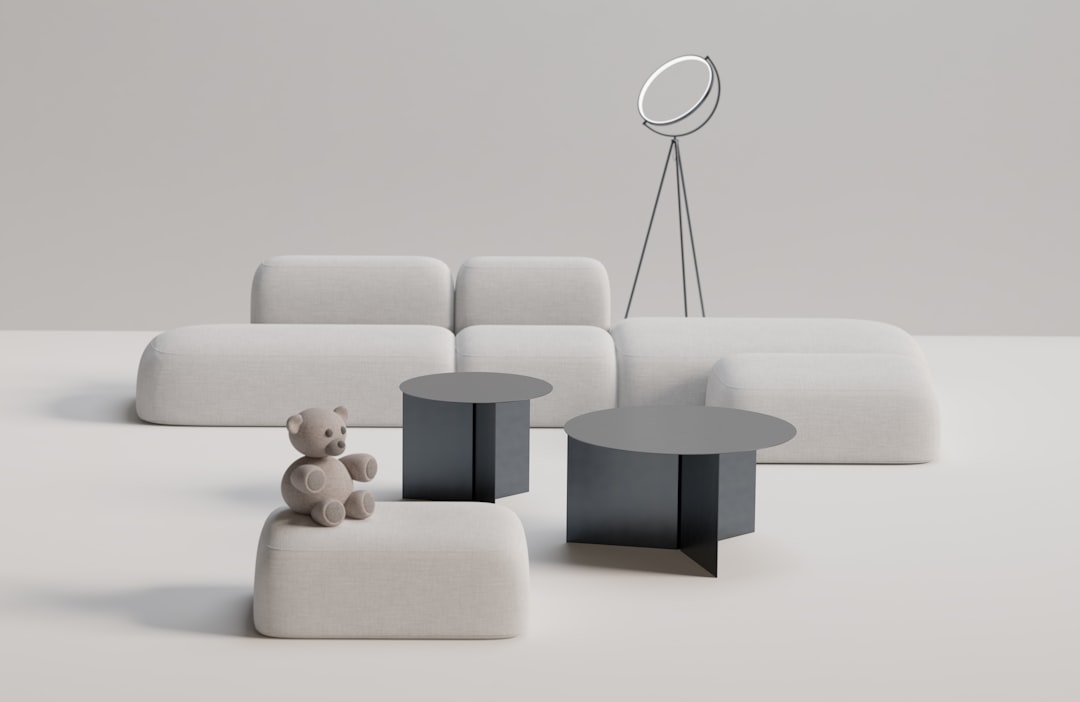
Delivery day in an HDB estate often starts with a tape measure and ends with a headache. Most Scandinavian sofas, especially those from IKEA or Castlery, require at least 210cm of clearance to navigate lift doors — a measurement that’s easy to overlook until you’re stuck in the lobby. Older HDB blocks, particularly those built before the 1990s, often have narrower lifts that barely accommodate a queen-sized mattress, let alone a sprawling modular sofa. In many cases, buyers end up paying $150 or more for staircase delivery, a fee that’s rarely mentioned upfront unless you ask.
The problem isn’t just the lift dimensions. Hallways in older estates tend to be tighter, with corners that can’t accommodate bulky furniture. A three-seater sofa might fit perfectly in the showroom, but getting it around that 90-degree turn in a corridor could be impossible. Some buyers have resorted to removing doors or even temporary dismantling parts of the sofa, which isn’t ideal for a piece you’ve just spent $1,200 on.
Delivery fees can vary wildly depending on the retailer. While some include staircase charges in their upfront quotes, others tack them on as a surprise surcharge — a common complaint among buyers in neighbourhoods like Bedok and Tampines. It’s worth noting that Scandinavian sofas, with their minimalist designs, often come flat-packed, which can make delivery easier. But even then, you’ll need to ensure your living room has enough space for assembly, especially if you’re dealing with a 12 sqm HDB layout.
One thing’s clear: measuring twice before buying once isn’t just a cliché — it’s a necessity. And if you’re eyeing a sofa from a local retailer, double-check their delivery policy. Some companies offer free redelivery if the item doesn’t fit, but others charge a restocking fee that can add up quickly.
Budgeting for a quality Scandinavian-style sofa in Singapore